 Space
Movies Like Dead Poets Society
Looking for movies like Dead Poets Society? Here are 10 films with similar inspiring, emotional, poignant vibes, matching themes, and the same emotional impact.
Last updated Oct 1, 2026
Best Movies Like Dead Poets Society
The best movies like Dead Poets Society are Good Will Hunting, The Perks of Being a Wallflower, Freedom Writers, The History Boys. Each shares the inspiring, emotional, poignant tone and explores similar themes of conformity, poetry, mentorship, rebellion, youth.
If you loved Dead Poets Society (1989) for Robin Williams' career-defining performance, the battle between passion and conformity, and an ending that is both devastating and deeply inspiring, these 10 movies deliver a similar experience. We picked each one based on shared tone, themes, and emotional feel — not just surface-level genre tags.
-
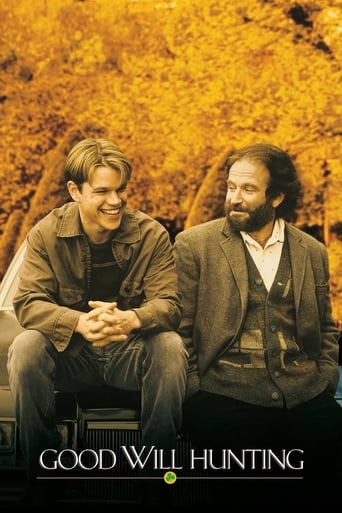
1. Good Will Hunting
1997 DramaWhere to watch Good Will HuntingWill, a janitor at MIT with a hidden genius for math, is ordered into therapy after a run-in with the law and meets Sean, a grieving counselor played by Robin Williams. The bond between them recalls Dead Poets Society, with Williams again playing an adult who helps a young man find the courage to choose his own life. The setting swaps prep-school privilege for working-class Boston, and the mentorship plays out in one-on-one sessions rather than a classroom.
-
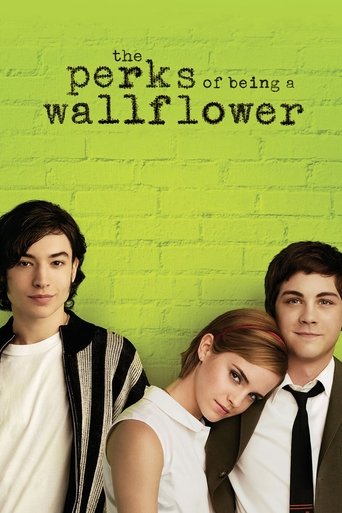
2. The Perks of Being a Wallflower
2012 DramaWhere to watch The Perks of Being a WallflowerCharlie, a shy, troubled high school freshman, finds his place when two seniors pull him into their circle of misfits, while his English teacher feeds him books and encouragement. That teacher relationship and the sense of literature as a lifeline both echo Dead Poets Society. The focus here is on friendship, first love, and trauma rather than rebellion against a rigid institution, and its ending is more hopeful than the one that made Dead Poets Society famous.
-
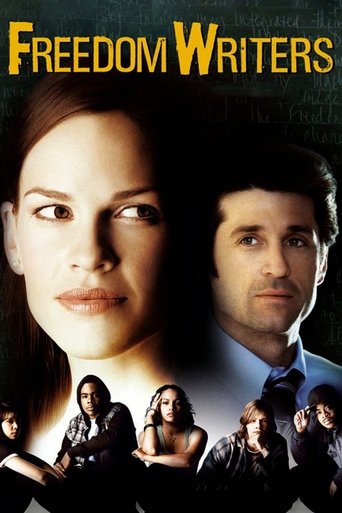
3. Freedom Writers
2007 DramaWhere to watch Freedom WritersHilary Swank plays Erin Gruwell, a first-year teacher in Long Beach, California, who reaches students divided by gang violence by having them read and keep journals. The idea that words can change how young people see themselves ties it closely to Dead Poets Society. It is grounded in a true story and a public-school setting, so the obstacles are poverty and violence rather than the strict expectations of wealthy parents.
-
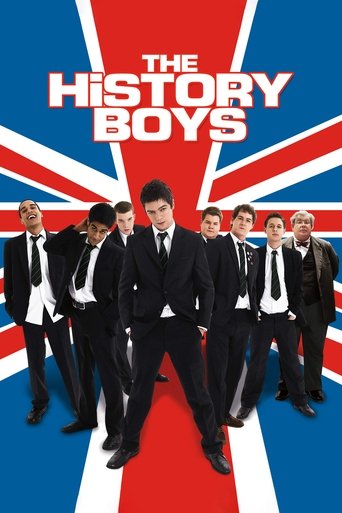
4. The History Boys
2006 DramaWhere to watch The History BoysA group of bright students at an English grammar school prepare for Oxford and Cambridge entrance exams under teachers with opposing ideas, one who loves knowledge for its own sake and one who coaches them to game the system. That tension speaks directly to Dead Poets Society's question of what school is really for. Adapted from Alan Bennett's play, it is talkier and more ironic than Dead Poets Society, with sharp humor alongside its melancholy.
-
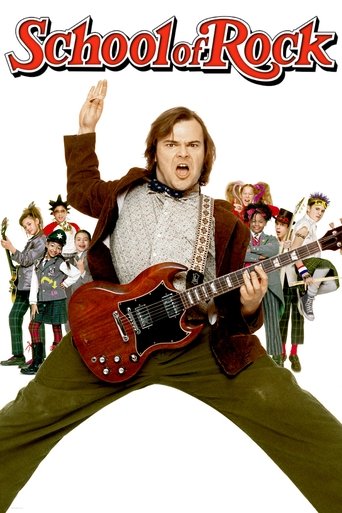
5. School of Rock
2003 ComedyWhere to watch School of RockJack Black plays Dewey, a broke rocker who poses as a substitute teacher at a prep school and secretly turns his class into a rock band. Strip away the comedy and it carries a message Dead Poets Society fans will recognize: buttoned-up kids discovering joy and confidence through an unconventional teacher. It is the feel-good, laugh-out-loud option on this list, with none of the tragedy, and music replaces poetry as the spark.
-
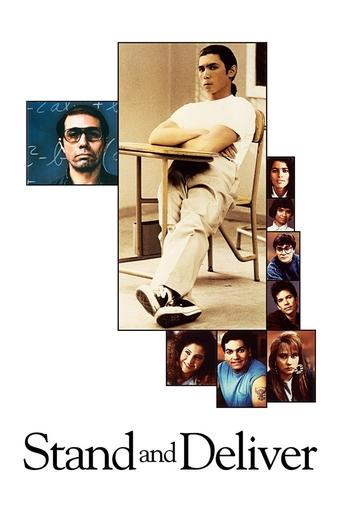
6. Stand and Deliver
1988 DramaWhere to watch Stand and DeliverEdward James Olmos plays Jaime Escalante, a teacher at an East Los Angeles high school who pushes his struggling students to take on advanced calculus. Like Keating in Dead Poets Society, he refuses to accept the limits others have placed on his students. Based on a true story, it is more about hard work and fighting low expectations than poetry and self-expression, and it lands on a more triumphant note.
-

7. A Separate Peace
2004 DramaWhere to watch A Separate PeaceSet at a New England boarding school during World War II, this adaptation of John Knowles's novel follows the intense friendship and hidden rivalry between quiet Gene and charismatic Finny. The tradition-bound campus, the student bonds, and the shadow of tragedy all feel close to Dead Poets Society. There is no inspiring teacher at its center, though; the story is driven entirely by the friendship, making it a more inward, literary companion piece.
-
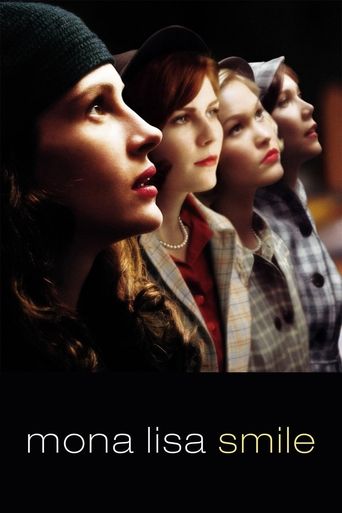
8. Mona Lisa Smile
2003 DramaWhere to watch Mona Lisa SmileJulia Roberts plays an art history teacher who arrives at Wellesley College in the 1950s and challenges her students to want more than the marriages expected of them. It is essentially Dead Poets Society's premise moved to a women's college in the same era, with a free-thinking teacher clashing with a conservative institution. The stakes are quieter and more focused on women's choices, and it trades boarding-school tragedy for a bittersweet, reflective tone.
-
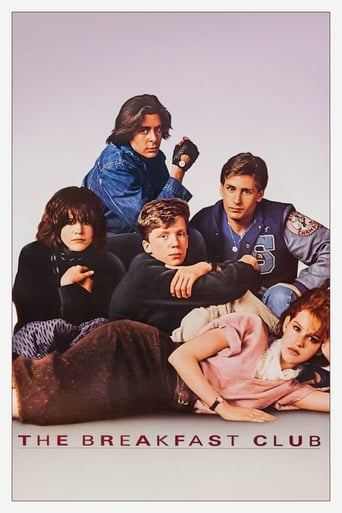
9. The Breakfast Club
1985 DramaWhere to watch The Breakfast ClubFive students who barely know each other, among them an athlete, a rebel, and a loner, spend a Saturday detention together and gradually open up. Its theme of teenagers resisting the labels adults put on them lines up neatly with Dead Poets Society. There is no mentor figure here, since the authority in the room is the antagonist, and John Hughes's film is far funnier and looser, but it captures a similar yearning to be seen.
-

10. Scent of a Woman
1992 DramaWhere to watch Scent of a WomanCharlie, a scholarship student at an exclusive prep school, takes a weekend job looking after Frank Slade, a blind, volatile retired Army officer played by Al Pacino. The prep-school setting and an older man changing a young man's outlook give it clear links to Dead Poets Society. The relationship is rougher and more unpredictable, though, and the film spends most of its time on a trip to New York rather than in classrooms.
Why These Movies Are Similar to Dead Poets Society
Dead Poets Society is set at a strict late-1950s boys' prep school where English teacher John Keating, played by Robin Williams, urges his students to think for themselves, with consequences that turn tragic. Fans love its mix of inspiration and heartbreak. The closest matches are Good Will Hunting, for Williams as a life-changing mentor, and The History Boys, for its classroom battle over what education is for. Stand and Deliver and Freedom Writers move the inspiring-teacher story into public schools, School of Rock is the lighthearted option, and A Separate Peace is a quieter boarding-school pick.