 Space
Movies Like Fight Club
Looking for movies like Fight Club? Here are 10 films with similar anarchic, dark, mind-bending vibes, matching themes, and the same emotional impact.
Last updated Oct 1, 2026
Best Movies Like Fight Club
The best movies like Fight Club are American Psycho, Mr. Robot, A Clockwork Orange, Trainspotting. Each shares the anarchic, dark, mind-bending tone and explores similar themes of masculinity, consumerism, identity, rebellion, mental health.
If you loved Fight Club (1999) for its anti-establishment attitude, iconic twist, and the way it challenges everything about modern masculinity and consumer culture, these 10 movies deliver a similar experience. We picked each one based on shared tone, themes, and emotional feel — not just surface-level genre tags.
-
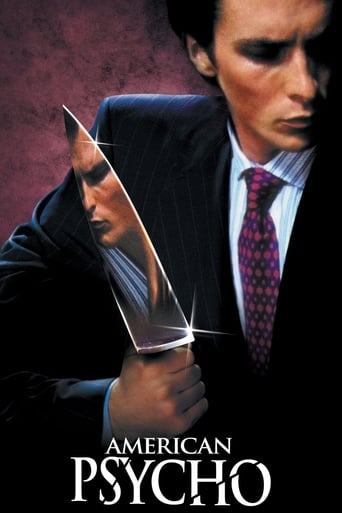
1. American Psycho
2000 ThrillerWhere to watch American PsychoAmerican Psycho follows Patrick Bateman, played by Christian Bale, a wealthy Manhattan investment banker in the 1980s who lives a double life as a killer. Like Fight Club, it is a sharp satire of materialism and male identity told through a narrator whose grip on reality is questionable. The humor is drier and more absurd, with business cards and skincare routines standing in for Fight Club's soap and furniture catalogs.
-

2. Mr. Robot
2015 DramaWhere to watch Mr. RobotMr. Robot is a series about Elliot, a lonely cybersecurity engineer and vigilante hacker, played by Rami Malek, who gets recruited into an underground group that wants to bring down a massive corporation. It is the closest TV match to Fight Club, with an anti-corporate rebellion, a mysterious leader figure, and a narrator who speaks directly to the audience while hiding things from himself. As a series, it unpacks its ideas over a much longer stretch.
-
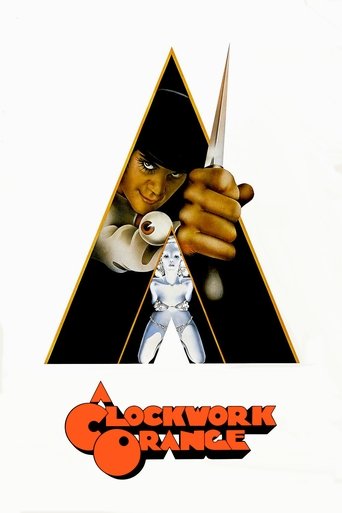
3. A Clockwork Orange
1971 DramaWhere to watch A Clockwork OrangeA Clockwork Orange, directed by Stanley Kubrick, follows Alex, the leader of a violent gang of youths in a near-future Britain, who is subjected to a state experiment meant to cure his violent impulses. Its provocative take on violence, free will, and society shares a lot with Fight Club. Kubrick's film is colder and more theatrical, with stylized language and imagery that can feel deliberately jarring.
-

4. Trainspotting
1996 DramaWhere to watch TrainspottingTrainspotting, directed by Danny Boyle, follows a group of heroin users in Edinburgh, led by Ewan McGregor's Renton, as they lurch between highs, crimes, and attempts to get clean. Its energetic narration and contempt for an ordinary, consumer-driven life recall Fight Club. The focus is addiction and friendship rather than rebellion, and the dark humor sits alongside some painfully bleak moments.
-
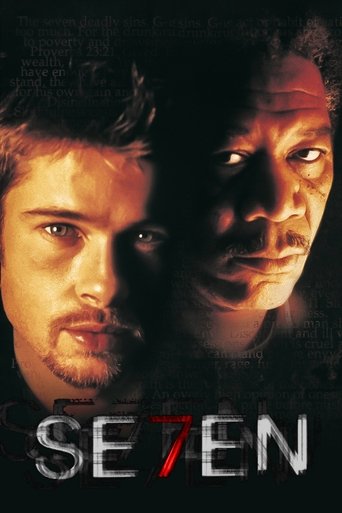
5. Se7en
1995 ThrillerWhere to watch Se7enSe7en, also from Fight Club director David Fincher, follows two detectives, played by Brad Pitt and Morgan Freeman, hunting a killer whose murders are built around the seven deadly sins. The rain-soaked, grimy look and the bleak view of modern society are close to Fight Club. It is a more traditional crime thriller in structure, though, with no satirical streak and a deeply dark ending.
-
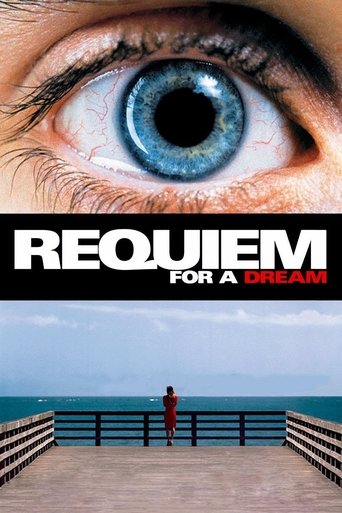
6. Requiem for a Dream
2000 DramaWhere to watch Requiem for a DreamRequiem for a Dream, from Darren Aronofsky, follows four people in Brooklyn whose addictions, to heroin and to diet pills, slowly take over their lives. Fans of Fight Club's aggressive editing and descent into self-destruction will recognize the approach. There is no dark comedy to soften it, though; this is a relentless, harrowing film that many people find difficult to watch more than once.
-
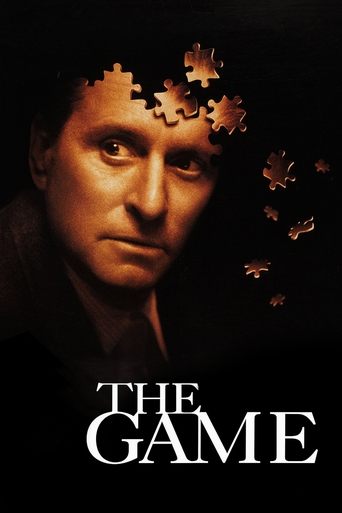
7. The Game
1997 ThrillerWhere to watch The GameThe Game, directed by David Fincher, stars Michael Douglas as a wealthy, isolated banker whose brother gives him a birthday present: entry into a mysterious game that begins to take over his life. Like Fight Club, it questions what is real and pulls its protagonist out of a sterile, comfortable existence. It works as a twisty puzzle thriller more than a satire and is less violent.
-
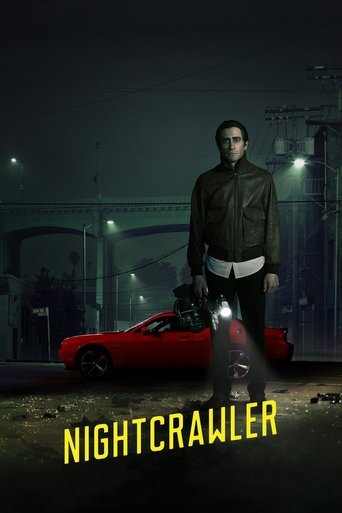
8. Nightcrawler
2014 ThrillerWhere to watch NightcrawlerNightcrawler stars Jake Gyllenhaal as Lou Bloom, a driven loner in Los Angeles who starts filming crime scenes and accidents to sell to local TV news. Its unsettling central character and critique of modern ambition echo the darker side of Fight Club. The approach is cooler and more controlled, focused on one man's chilling climb rather than a movement or a split identity.
-
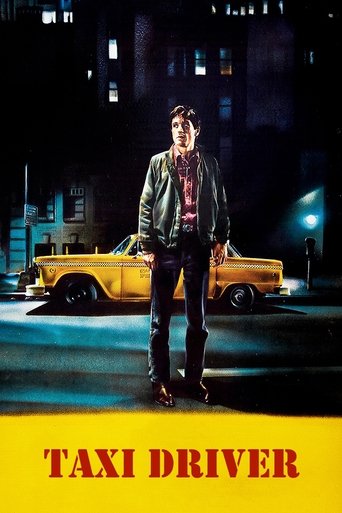
9. Taxi Driver
1976 DramaWhere to watch Taxi DriverTaxi Driver, directed by Martin Scorsese, follows Travis Bickle, played by Robert De Niro, an insomniac Vietnam veteran driving a cab through a grimy New York City while growing increasingly isolated and angry. Fight Club owes a clear debt to its alienated, sleepless narrator and his slide toward violence. It is slower and more of a character study, with no twist structure but plenty of tension.
-
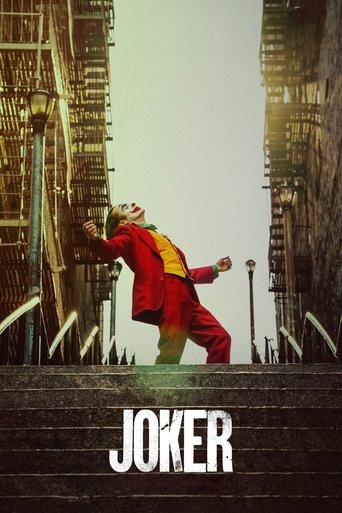
10. Joker
2019 DramaWhere to watch JokerJoker stars Joaquin Phoenix as Arthur Fleck, a struggling party clown and aspiring comedian in a decaying Gotham City whose isolation pushes him toward violence. Like Fight Club, it explores a disaffected man whose personal breakdown sparks a larger uprising, and it plays with how much of what we see is real. It is more somber and grounded in the comic book origin story than in satire.
Why These Movies Are Similar to Fight Club
Fight Club is a story about an insomniac office worker, fed up with consumer life, who falls in with a charismatic stranger and builds an underground world of violence and rebellion, told by a narrator you shouldn't fully trust. Our picks follow those threads. Mr. Robot and American Psycho are closest in their unreliable, alienated narrators, while Se7en and The Game share David Fincher's dark visual style. Taxi Driver and Joker explore lonely men drifting toward violence, Trainspotting and Requiem for a Dream cover addiction and self-destruction, and A Clockwork Orange is the oldest pick, a satire of youth violence.