 Space
Space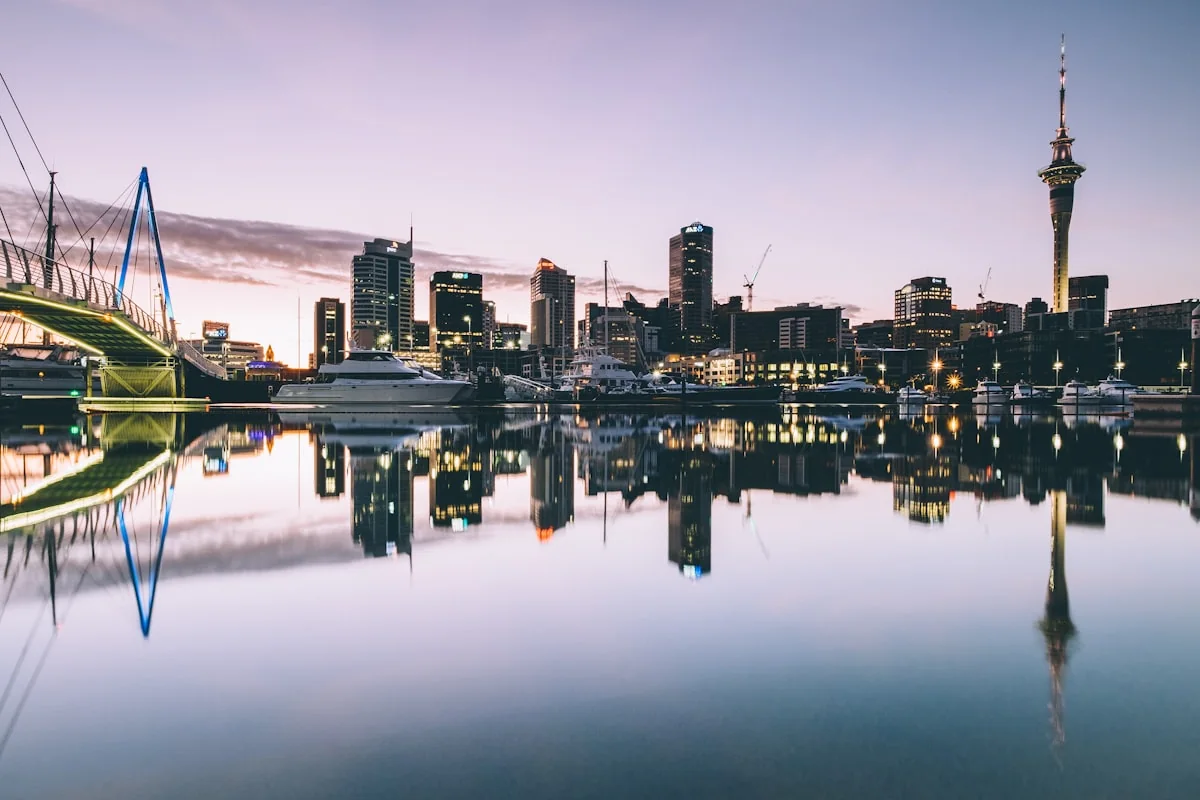
The best movies filmed in New Zealand share one quality that no studio lot can fake: a landscape that feels genuinely other-worldly. Whether it’s the Shire’s rolling green hills, the wild black-sand beaches of the Coromandel coast, or the snow-capped peaks of the Southern Alps doubling as K2, these are films where New Zealand’s geography is as important as the script. This ranked guide covers the ten best movies filmed in New Zealand — from sweeping fantasy epics to quiet character studies — with specific filming locations, Rotten Tomatoes scores, streaming info, and tips for visiting the sites yourself.
Between them, these ten films span five decades, every major genre, and every corner of the country. One thing unites them: New Zealand stops being a backdrop and becomes a character.
1. The Lord of the Rings: The Fellowship of the Ring (2001)
No single film has done more to put New Zealand on the global map — or to make an entire country feel like a place you absolutely must visit.
- Director: Peter Jackson
- Stars: Elijah Wood, Ian McKellen, Viggo Mortensen, Orlando Bloom, Cate Blanchett
- Genre: Fantasy / Adventure
- Rotten Tomatoes: 91%
- Filming locations: Matamata (Hobbiton / The Shire), Mt Victoria Wellington (The Old Forest), Queenstown and The Remarkables (Misty Mountains), Fiordland National Park (Lothlórien sequences), Kaitoke Regional Park (Rivendell)
- Where to stream: Max, Peacock
Peter Jackson spent years scouting New Zealand before settling on the Alexander family farm outside Matamata in the Waikato as the location for Hobbiton. The soft, terraced hills and the particular way morning fog settled across the paddocks matched Tolkien’s vision of the Shire so closely that the crew built 37 hobbit holes into the landscape and left them there. Over 150 separate New Zealand locations were used across the entire trilogy, but Fellowship established the blueprint: use the whole country as a production design.
Wellington’s Mt Victoria and Harcourt Park stand in for the Old Forest where the hobbits flee Bag End. The Remarkables mountain range near Queenstown — named with almost suspicious aptness — provided the jagged backdrop for the Fellowship’s attempt to cross the Misty Mountains. Deep in Fiordland National Park, the ancient beech forests and mirror-still lakes of Milford Sound and surrounding valleys became Lothlórien, realm of the Elves. Kaitoke Regional Park north of Wellington served as Rivendell.
The film grossed $871 million worldwide on a $93 million budget and triggered a tourism boom that the New Zealand government still markets aggressively today. It also proved, definitively, that shooting on location at scale — rather than on a Hollywood backlot — produces a sense of immersive reality no amount of CGI can replicate.
Visit tip: Hobbiton at Matamata runs daily tours through the permanent set, including the Green Dragon Inn and Party Tree. Book in advance. In Queenstown, Nomad Safaris offers Lord of the Rings 4WD tours into the Remarkables and surrounding high country.
2. The Piano (1993)
Jane Campion’s Palme d’Or winner used a stretch of Auckland’s wild west coast to tell one of cinema’s most haunting love stories — and permanently put Karekare Beach on the map.
- Director: Jane Campion
- Stars: Holly Hunter, Harvey Keitel, Sam Neill, Anna Paquin
- Genre: Drama / Romance
- Rotten Tomatoes: 97%
- Filming locations: Karekare Beach, West Auckland; Waitākere Ranges bush, Auckland region
- Where to stream: Max, MUBI
Karekare is not easy to reach. A steep, winding road through the Waitākere Ranges leads to a beach where iron-black sand meets the Tasman Sea, and where the surf breaks with enough force to kill. That wildness was precisely what Campion needed. The opening image of Ada McGrath arriving on that beach with her daughter and her piano — stranded by a husband who refuses to carry it — immediately establishes New Zealand as a place of extraordinary beauty and complete indifference to human comfort.
Campion grew up in New Zealand and understood how the landscape carries emotional weight that dialogue alone cannot. The piano sits absurdly on black sand while fog rolls in over the cliffs; dense bush presses in on every scene shot further inland. All of it communicates Ada’s isolation without a single spoken word. The film won the Palme d’Or at Cannes (shared with Chen Kaige’s Farewell My Concubine), earned Holly Hunter the Academy Award for Best Actress, and gave Anna Paquin a Supporting Actress Oscar — at age 11, the second-youngest winner in history.
Visit tip: Karekare Beach is approximately 40 kilometres west of Auckland city centre. Take Scenic Drive to Karekare Road — the last stretch is steep and narrow. There is a car park at the end of the road and the beach is a short walk. Swim with extreme caution; rip currents are serious and the beach is unpatrolled.
3. Whale Rider (2002)
Filmed in and around the actual East Coast community it depicts, Whale Rider is one of the rare films where the setting and the story are truly inseparable.
- Director: Niki Caro
- Stars: Keisha Castle-Hughes, Rawiri Paratene, Vicky Haughton, Cliff Curtis
- Genre: Drama
- Rotten Tomatoes: 82%
- Filming locations: Whangara village, Gisborne, East Coast North Island; Eastland coastline
- Where to stream: Netflix (select regions), Tubi, Amazon Prime Video
Niki Caro filmed almost entirely in Whangara, the real coastal village on New Zealand’s East Coast where author Witi Ihimaera set his 1987 novel. The film’s power comes partly from that authenticity — the sweeping cliffs above Poverty Bay, the meeting house (wharenui) where community life centres, and the Pacific Ocean that is simultaneously source of identity, danger, and ancestral legend.
Keisha Castle-Hughes was 11 years old when she played Paikea, a Māori girl who believes she is destined to lead her people despite her grandfather Koro’s stubborn refusal to consider a girl as heir. Her performance earned an Academy Award nomination for Best Actress — the youngest nominee in Oscar history at the time. The film’s depiction of Māori traditions, the significance of the whale, and the tension between old authority and new possibility was praised by Māori cultural leaders for its respectful accuracy and emotional honesty.
The Gisborne region is one of the least-visited corners of New Zealand by international travellers, which makes Whale Rider something of a revelation: most viewers had no idea the East Coast existed before seeing this film.
Visit tip: Whangara is located approximately 18km north of Gisborne on State Highway 35. The village is a living community; the beach and coastline are publicly accessible but visitors should respect private land and always ask permission before approaching the meeting house or marae.
4. The Hobbit: An Unexpected Journey (2012)
Where Fellowship built the world, An Unexpected Journey moved into it permanently — and the Hobbiton set that Peter Jackson’s crew constructed has been drawing visitors from around the world ever since.
- Director: Peter Jackson
- Stars: Martin Freeman, Ian McKellen, Richard Armitage, Andy Serkis
- Genre: Fantasy / Adventure
- Rotten Tomatoes: 64%
- Filming locations: Hobbiton / Matamata (permanent set), Fiordland National Park, Queenstown and Otago high country, North Canterbury, Twizel area
- Where to stream: Max
For the Hobbit trilogy, Peter Jackson went considerably further than he had for Lord of the Rings, constructing a permanent Hobbiton set at the Alexander farm near Matamata that would outlast the production and operate as a full-time tourist attraction. The 12 acres of meticulously maintained gardens, 44 individual hobbit holes, the Green Dragon Inn, and the Party Tree are all genuine built structures — what you see in the film is exactly what you can walk through today.
Beyond Hobbiton, the film returned to the same South Island terrain that had served the original trilogy. Fiordland’s remote valleys and ancient rainforests provided Rivendell’s approaches; the Remarkables and Otago high country filled the dwarf-territory sequences; North Canterbury’s limestone outcrops appeared in troll-sequence scenes; and the Mackenzie Basin near Twizel provided open landscape for the company’s journey north. An Unexpected Journey was shot in 48fps 3D, which made New Zealand’s landscapes appear more hyper-vivid than ever before on screen — a choice that divided critics but undeniably showcased the country’s visual range.
Visit tip: Hobbiton Movie Set Tours run daily from the Alexander Farm, with options including a breakfast tour, evening Banquet tour in the Green Dragon Inn, and a guided nighttime experience. Book several weeks in advance during peak season (December–March).
5. The Chronicles of Narnia: The Lion, the Witch and the Wardrobe (2005)
Andrew Adamson’s faithful adaptation of C.S. Lewis’s classic used the South Island’s high country to conjure Narnia’s eternal winter — and Cathedral Cove on the Coromandel for its seashore.
- Director: Andrew Adamson
- Stars: Tilda Swinton, Georgie Henley, William Moseley, Anna Popplewell
- Genre: Fantasy / Adventure
- Rotten Tomatoes: 75%
- Filming locations: Flock Hill Station, Canterbury (battle plains); Cathedral Cove, Coromandel Peninsula (Narnian seashore); Southern Alps; Woodhill Forest, Auckland
- Where to stream: Disney+
Flock Hill Station in Canterbury’s high country — a vast, treeless plateau ringed by jagged limestone outcrops at roughly 900 metres elevation — became the epic battle plains of Narnia for the climactic clash between Aslan’s forces and the White Witch’s army. The landscape has an Arctic, otherworldly quality that suited Lewis’s frozen kingdom perfectly, especially in the cold early light that the Canterbury high country delivers in winter.
On the North Island, Cathedral Cove — a natural sea cave on the Coromandel Peninsula accessible only by beach or boat — appeared as the Narnian shore where the children arrive. Tilda Swinton’s ice-cold performance as Jadis the White Witch became the film’s most enduring image, and the New Zealand landscapes gave her character’s frozen domain a convincing grandeur that studio sets alone could not have delivered. The film earned $745 million worldwide and introduced a new generation of children to both Narnia and New Zealand simultaneously.
Visit tip: Cathedral Cove is accessible by water taxi from Hahei, or by a well-maintained 45-minute walking track. Arrive early to beat the crowds, particularly in summer. The car park on Grange Road fills quickly in peak season.
6. Hunt for the Wilderpeople (2016)
Taika Waititi’s warm-hearted masterpiece takes a troubled foster kid and a reluctant old man into the New Zealand bush — and returns with the funniest, most moving film the country has ever produced.
- Director: Taika Waititi
- Stars: Sam Neill, Julian Dennison, Rima Te Wiata, Rachel House
- Genre: Comedy / Drama
- Rotten Tomatoes: 97%
- Filming locations: Waitākere Ranges, West Auckland; Te Urewera, Bay of Plenty; Northland; Puhoi, north of Auckland
- Where to stream: Amazon Prime Video, Hulu
Hunt for the Wilderpeople uses New Zealand’s backcountry as both a playground and a sanctuary. Ricky Baker (Julian Dennison) and his reluctant foster uncle Hec (Sam Neill) vanish into the dense native bush of the Waitākere Ranges and later the far more remote Te Urewera wilderness, pursued by child welfare officers, police, and eventually what appears to be most of the country in a “National Manhunt™” that escalates to comedic proportions. The film’s genius lies in the specificity of the landscape: New Zealand bush — with its enormous tree ferns, ancient kauri, and deep gorges — looks unlike any other wilderness on earth, and Waititi uses that strangeness to make the film feel both familiar and completely alien.
Waititi shot extensively in Te Urewera, the remote wilderness in the Bay of Plenty that is the ancestral homeland of the Tūhoe people and one of the few remaining examples of truly unmodified native forest in New Zealand. The sequences filmed there carry a quality of genuine, unhurried wildness that no production design could replicate. Hunt for the Wilderpeople became the highest-grossing New Zealand film at the domestic box office on release and launched Dennison and Waititi to international careers — Waititi directing Thor: Ragnarok the following year.
Visit tip: Waitākere Ranges Regional Park west of Auckland is easily accessible for day hikes from the Arataki Visitor Centre. Te Urewera is more remote — take State Highway 38 from Rotorua or Wairoa — but rewards the effort with some of New Zealand’s most pristine and uncrowded native forest.
7. The Last Samurai (2003)
Tom Cruise’s epic used Mount Taranaki’s perfect volcanic cone as a stand-in for Mount Fuji — and it’s a substitution so convincing that most viewers never noticed.
- Director: Edward Zwick
- Stars: Tom Cruise, Ken Watanabe, Koyuki, Timothy Spall, Tony Goldwyn
- Genre: Action / Drama
- Rotten Tomatoes: 66%
- Filming locations: Mount Taranaki, Taranaki region; Uriti Valley, Taranaki; Taranaki coast; Wellington interior (some scenes)
- Where to stream: Max, Netflix (select regions)
The production team for The Last Samurai scouted Japan extensively before concluding that contemporary development made it impossible to film large-scale period sequences there without constant set dressing. They turned to New Zealand’s Taranaki region, where the symmetrical volcanic cone of Mount Taranaki — nearly identical in shape, height, and profile to Mount Fuji — rises above coastal farmland with almost theatrical perfection. At 2,518 metres, Taranaki is the second-highest peak in the North Island and is visible from a huge distance in clear weather, exactly as Fuji appears in classical Japanese painting.
The Uriti Valley, north of New Plymouth, was used for the samurai village sequences. Production designer Lilly Kilvert’s team constructed an entire 19th-century Japanese village on the valley floor — complete with buildings, gardens, training grounds, and detailed period craft — that was dismantled when filming wrapped. The Taranaki coast provided additional exterior scenes. What is remarkable about The Last Samurai’s use of New Zealand is how completely convincing it is as feudal Japan: the climate, the topography, and the production design align so precisely that the substitution is essentially invisible.
Ken Watanabe’s Academy Award-nominated performance brought Japanese cinema to global attention in the west, and the film grossed $456 million worldwide. It remains one of the most high-profile Hollywood films ever to use New Zealand locations as a primary setting for a story set in another country entirely.
Visit tip: Mount Taranaki is one of New Zealand’s most hikeable volcanoes. The summit track is a challenging 8–9 hour return climb requiring alpine gear; lower slope walks are accessible year-round from the Egmont National Park visitor centres.
8. Vertical Limit (2000)
Critics may have been cold on it, but Vertical Limit used New Zealand’s Southern Alps as a genuine high-altitude thriller backdrop — and some of its real-location shooting was genuinely dangerous.
- Director: Martin Campbell
- Stars: Chris O’Donnell, Bill Paxton, Robin Tunney, Scott Glenn
- Genre: Action / Thriller
- Rotten Tomatoes: 23%
- Filming locations: Southern Alps, South Island; Aoraki / Mount Cook National Park; Franz Josef Glacier, Westland; Christchurch (interiors)
- Where to stream: Amazon Prime Video, Tubi
When director Martin Campbell needed K2 sequences without the logistical nightmare of actually filming in Pakistan’s Karakoram Range, New Zealand’s Southern Alps provided the answer. The jagged peaks and glaciers around Aoraki / Mount Cook — at 3,724 metres, New Zealand’s highest mountain — are genuinely forbidding, and the production used them to create sequences that feel authentically life-threatening, because they were.
The Franz Josef Glacier on the West Coast appears extensively — its scale, its crevasses, and the constant sense of moving ice make it an ideal stand-in for Himalayan terrain. Stunt coordinators worked with New Zealand’s Mountain Safety Council to manage real hazards: avalanche exposure, unstable ice, and altitude. Several sequences involving explosive charges in crevasses were filmed with genuine snow and ice rather than CGI substitutes. While the film’s screenplay and characterisation were broadly panned, the visual spectacle of the Southern Alps locations remains the film’s most durable achievement — and a genuine showcase for a part of New Zealand that most tourists never reach.
Visit tip: Aoraki / Mount Cook National Park village is a 3.5-hour drive from Christchurch via State Highway 8. The Hooker Valley Track to Hooker Lake is a spectacular 3-hour return walk suitable for most fitness levels and one of New Zealand’s most rewarding flat walks.
9. Without a Paddle (2004)
One of Hollywood’s most underappreciated location choices — the Coromandel Peninsula stands in for the Pacific Northwest wilderness with more conviction than the film’s critics ever gave it credit for.
- Director: Steven Brill
- Stars: Seth Green, Matthew Lillard, Dax Shepard, Ethan Suplee
- Genre: Comedy / Adventure
- Rotten Tomatoes: 13%
- Filming locations: Filmed across the Coromandel Peninsula on New Zealand’s North Island. Several sequences were shot in and around the coastal areas near Whangamata, a remote surf town on the peninsula’s east coast known for its black-sand beaches and bush-covered hills.
- Where to stream: Paramount+, Tubi, Pluto TV
Without a Paddle follows three childhood friends who venture into the wilderness to fulfil a dead friend’s dream of finding D.B. Cooper’s legendary lost loot. The tone is raucous and cheerfully crude — early-2000s studio comedy at its most unambitious — but the location work deserves more credit than the film’s 13% Rotten Tomatoes score implies. The Coromandel’s dense kauri forests, dramatic coastal cliffs, river valleys, and east-coast beaches gave the production the lush Pacific Northwest atmosphere its Oregon-set story required, and the peninsula’s geography is varied enough that the film never runs out of visually interesting wilderness terrain.
The east coast of the Coromandel — far less developed and far less visited than the well-known Cathedral Cove and Hot Water Beach on the northern tip — provided river sequences, forest-chase scenes, and coastal approach shots. The production used local guides and safety crews for the genuine whitewater sequences, which were filmed in real rivers rather than controlled studio tanks. Without a Paddle performed well commercially despite its reviews, grossing $62 million on a $19 million budget, and has developed a genuine cult following among fans of early 2000s buddy comedies. It remains one of the few Hollywood productions to make significant use of the Coromandel’s quieter, less-touristed east-coast locations.
Visit tip: Whangamata is accessible via State Highway 25 on the Coromandel’s east coast, approximately 2.5 hours from Auckland. The town is known for its surf beach, estuary kayaking, and access to the Coromandel Forest Park — the same bush terrain that appears in the film.
10. Eagle vs Shark (2007)
Before Taika Waititi was making Marvel films, he was making this: a painfully funny, oddly moving Wellington indie about two of the most socially awkward people in existence trying to fall in love.
- Director: Taika Waititi
- Stars: Loren Horsley, Jemaine Clement, Craig Hall, Joel Tobeck
- Genre: Comedy / Drama (Quirky Romance)
- Rotten Tomatoes: 76%
- Filming locations: Wellington (Cuba Street, inner suburbs, Newtown); Hawke’s Bay (road trip sequences)
- Where to stream: MUBI, Tubi, Amazon Prime Video
Eagle vs Shark is the kind of film that could only come from New Zealand: deadpan, emotionally honest, deeply specific to its setting in a way that paradoxically makes it feel universal. Waititi shot the film in Wellington — the city’s persistent wind, its compact inner-suburb cafes, its second-hand-shop aesthetic, and its sense of being perched at the edge of the world all feed directly into the story. Road trip sequences were filmed in Hawke’s Bay, on the east coast of the North Island.
Loren Horsley plays Lily, a fast-food worker who falls for Jarrod (Jemaine Clement, in full Flight of the Conchords mode), a video game obsessive nursing a plan to avenge himself on the high school bully who tormented him. The film navigates grief, self-delusion, and social anxiety with a lightness that never tips into cruelty. It premiered at the Sundance Film Festival and received a US theatrical release through Miramax — a remarkable achievement for a New Zealand film with a NZD $1.5 million budget.
The Wellington setting is integral to Eagle vs Shark’s mood. The city’s slightly-too-cold-for-comfort climate, its small scale, and its strong identity as a creative and slightly eccentric capital make it the perfect backdrop for a story about people who feel like they’re slightly out of step with a larger world that doesn’t particularly notice them. It’s a love letter to New Zealand’s underdog character: unpretentious, dry, and quietly devastating.
Visit tip: Most of Eagle vs Shark’s Wellington locations — the Cuba Street strip, Newtown’s inner-suburb streets, the harbour waterfront — are still immediately recognisable today. Wellington is also home to Weta Workshop, which offers guided tours of its prop and creature-effects studios.
Quick Comparison Table
All ten best movies filmed in New Zealand, at a glance.
| Movie | Year | NZ Region | Genre | RT Score | On Streaming? |
|---|---|---|---|---|---|
| The Lord of the Rings: Fellowship of the Ring | 2001 | Waikato / Wellington / Queenstown / Fiordland | Fantasy | 91% | Yes — Max, Peacock |
| The Piano | 1993 | West Auckland | Drama | 97% | Yes — Max, MUBI |
| Whale Rider | 2002 | Gisborne / East Coast | Drama | 82% | Yes — Netflix, Tubi |
| The Hobbit: An Unexpected Journey | 2012 | Waikato / Fiordland / Queenstown | Fantasy | 64% | Yes — Max |
| The Chronicles of Narnia | 2005 | Canterbury / Coromandel | Fantasy | 75% | Yes — Disney+ |
| Hunt for the Wilderpeople | 2016 | West Auckland / Bay of Plenty | Comedy/Drama | 97% | Yes — Prime Video, Hulu |
| The Last Samurai | 2003 | Taranaki | Action/Drama | 66% | Yes — Max |
| Vertical Limit | 2000 | Southern Alps / Canterbury | Action/Thriller | 23% | Yes — Prime Video, Tubi |
| Without a Paddle | 2004 | Coromandel Peninsula | Comedy/Adventure | 13% | Yes — Paramount+, Tubi |
| Eagle vs Shark | 2007 | Wellington / Hawke’s Bay | Comedy/Drama | 76% | Yes — MUBI, Tubi |
More Movies You’ll Love
- Best drama films — character-driven cinema with real emotional weight, from all over the world
- Best action movies — the most rewatchable action films streaming right now
- Where to watch movies — find any film on the right streaming platform, fast
What is the most famous movie filmed in New Zealand?
Can you visit Lord of the Rings filming locations in New Zealand?
What part of New Zealand was filmed in The Piano?
Are there movies filmed on the Coromandel Peninsula?
What streaming platforms have New Zealand films?
Hero image: New Zealand landscape photograph, free license via Pixabay.