
How to Hear the Sound Effects Hidden in Your Favorite Films
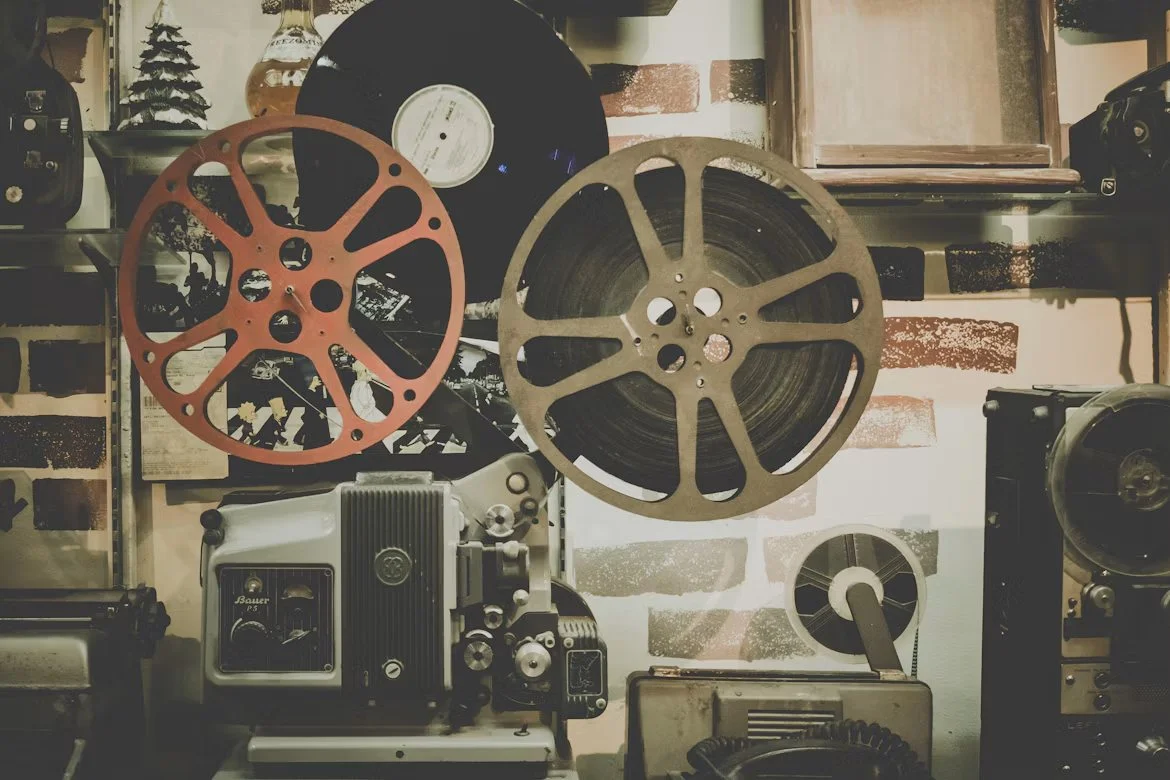
Most viewers judge a film by its story, its performances and the way it looks on screen. Sound tends to work in the background, shaping how a scene feels without drawing attention to itself. A large share of what audiences hear in a finished film was never recorded on set at all. Footsteps, punches, engines and alien weapons are usually built or added later by specialists. A rewatch is a good opportunity to listen for that work, and this guide explains what to pay attention to and why some sounds keep turning up in different films.
Why so much film sound is added after filming
Film sets are designed around capturing clear dialogue, so microphones are placed to pick up the actors’ voices rather than everything around them. Many other sounds are therefore added in post-production, after the picture has been edited. Foley artists perform everyday sounds such as footsteps, clothing and door handles while watching the scene, so the timing matches the picture. Sound editors then add larger effects, such as explosions, vehicles and weather, taken from recordings made elsewhere. The result sounds natural to the audience even though it was assembled one layer at a time.
Much of that material comes from collections of sound FX, libraries of recorded and designed sounds organized so editors can find the right one quickly. Hollywood studios built their own archives decades ago, and today independent libraries also supply filmmakers, game developers and online creators. A single library can hold anything from creaking floors to science fiction interface beeps. Editors often layer, pitch and reshape these recordings, so one source sound can serve many different scenes. That reuse is why some sounds feel familiar even in films that have nothing else in common.
Familiar sounds with a long history
The best known example of a reused sound is the Wilhelm scream. It was recorded for the 1951 Warner Bros. film Distant Drums, in a scene where a soldier is dragged underwater by an alligator. The recording stayed in the studio’s archive and was used again in later Warner Bros. productions, including The Charge at Feather River in 1953. Sound designer Ben Burtt named it after Private Wilhelm, the character who screams in that film, and placed it in Star Wars in 1977. Other sound editors picked up the habit, and the scream became an in-joke that many viewers now listen for on purpose.
Star Wars also shows how designed sounds often start with ordinary objects. Burtt created the lightsaber by combining the hum of an idling film projector with the buzz of an old television set. He then recorded the swinging motion by moving a microphone past a speaker that played the combined sound. The weapon sounds futuristic, yet every part of it came from equipment found in a normal building. Viewers working through the Star Wars films in order can listen for that hum and hear how it became a defining sound of the series.
Beyond individual sounds, each film genre has its own sound vocabulary. Horror relies on creaks and sudden stingers. Science fiction leans on interface beeps, glitches and machine hums that suggest technology the audience has never seen. Action films and trailers use whooshes, risers and heavy hits to give movement and impact more weight. Recognizing these patterns can also explain why films recommended alongside each other often feel related, since they tend to share a sound palette as well as a tone.
Listening closely on a rewatch at home
Home viewing makes it easier to focus on sound, provided the setup allows the detail to come through. Headphones or a soundbar reveal much more than the small speakers built into most laptops and thin televisions. Some TVs and soundbars offer night or dialogue modes that narrow the gap between loud and quiet sounds, which is useful late at night but hides detail. A scene with little dialogue is the best place to start, because the sound FX carry more of the story there. Turning subtitles on can also help, since reading the dialogue frees the ear to focus on everything around it.
Once the setup is ready, the next step is to listen for separate layers within a single scene. Background ambience sets the location, such as wind, traffic or the hum of a spaceship. Foley adds the close, human details like footsteps, clothing and objects being picked up. Hard effects cover distinct events such as doors, gunshots and impacts, while designed sounds create things that do not exist in real life. Pausing after a short scene and naming each layer heard is a simple way to train the ear.
Sound can also carry meaning that viewers only notice the second time. A recurring sound linked to a character or an object may return in the final scene to connect the ending to an earlier moment. Silence works in the same way, with a sudden drop in sound marking a turning point. After reading an explanation of a confusing ending, a rewatch with attention on these cues can show how the film prepared its final scene from the start. This kind of listening often makes a familiar film feel new again.
A rewatch in practice
Tomás Herrera put this into practice during a Star Wars marathon. He rewatched the films in release order using a pair of closed headphones. On the first film he listened for the Wilhelm scream after reading about its history and found it during the Death Star sequence. He then began noting other repeated sounds, including the lightsaber hum and the engines of the larger ships. By the end of the series he was paying attention to sound as closely as to the story, and the films felt different from his earlier viewings.
Where film sounds come from today
Sound libraries are no longer limited to the archives of large studios. Independent publishers now produce sound FX for anyone making films, games, trailers or online video. Ocular Sounds is one example of these libraries. Short films and student projects can work with the same kind of building blocks that viewers hear in the films they stream at home.
Conclusion
Paying attention to sound changes the way a familiar film plays the second time around. The next movie night is a good chance to try it. Pick a film already seen, use headphones, choose a five-minute scene and list every sound that can be picked out. Repeating the exercise with a film from a different genre makes the differences in sound vocabulary easy to hear. The sounds were there all along, and a second listen is often all it takes to start hearing them.